
How to read a Korean skincare ingredient list
By CHOKCHOK.SKIN · Reviewed
An ingredient list tells you what a product contains. It usually cannot tell you the exact concentration of each ingredient or how well the finished product will work for you. Start with the exact bottle and market, separate disclosed percentages from guesses, then use the list to ask better questions about the formula.
Start with the product you actually have
Match the product name, variant and ingredient panel on your bottle to the source you are reading. Similar names are not enough: a serum and an ampoule from the same line can have different formulas. Record which official page you checked and when.
If your label differs from a website, keep both versions visible rather than combining them into one list. A difference needs investigation; the list alone cannot settle whether it reflects a reformulation, a market-specific label or another cause.
Sources: SKIN1004 Centella Ampoule · SKIN1004 Hyalu-Cica Blue Serum
What does ingredient order tell you
For US cosmetic labels, the FDA describes ingredients in descending order of predominance, with exceptions. Ingredients at one percent or less and color additives have special ordering rules. Those are US requirements, not a claim that every Korean domestic or export label follows identical rules.
This makes position a limited clue. It does not reveal an exact percentage, and you cannot reliably rank every ingredient near the end. Use the labeling rules for the market where the product is sold. If that market or the formula version is uncertain, leave the concentration unknown.
Sources: FDA cosmetic labeling requirements
Disclosed percentages are different from estimates
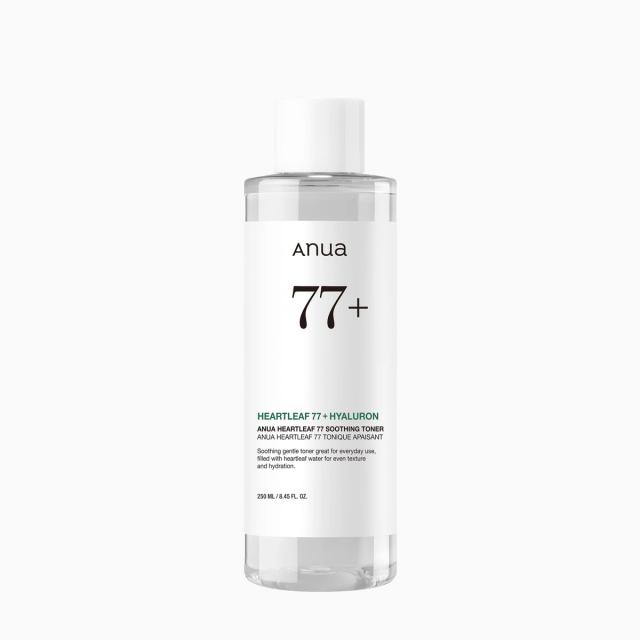
AXIS-Y explicitly states 5% niacinamide for its Dark Spot Correcting Glow Serum. That is a brand disclosure, not a number calculated from niacinamide's position on the list. The same approach applies when a brand provides no percentage: record presence without inventing a concentration.
For a claim stated in parts per million, divide by 10,000 to convert to percent, provided both figures describe the same quantity on the same basis. For example, 1,000 ppm equals 0.1%. Converting units does not establish effectiveness or clarify an ambiguous claim about a mixture.
| Information | What it establishes | What remains unknown |
|---|---|---|
| An ingredient appears in the list | Its disclosed presence in that formula | Its exact amount, unless separately stated |
| Brand states 5% niacinamide | The brand's stated concentration | Whether that finished product suits you |
| Brand gives a botanical percentage | A claim about the named botanical material | The amount of each constituent inside it |
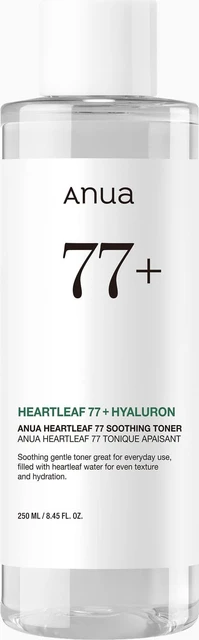
What does 77% heartleaf actually tell you
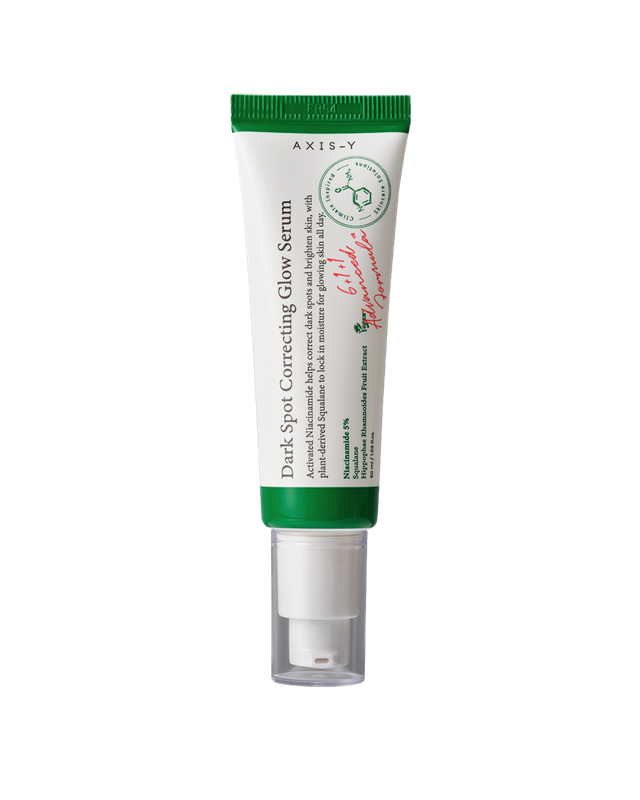
Anua's current US page uses a 77% heartleaf claim, while its full list begins with Houttuynia Cordata Flower/Leaf/Stem Water. Keep that ingredient name distinct from extract wording on another version or retailer page.
The displayed information does not disclose the concentration of individual heartleaf constituents. It cannot support a claim that the product is 77% purified active compound, or establish that it is more potent than another botanical formula. You can describe the named material and the claim; its undisclosed composition stays unknown.
Sources: Anua Heartleaf 77 Soothing Toner
Similar ingredients do not make identical products
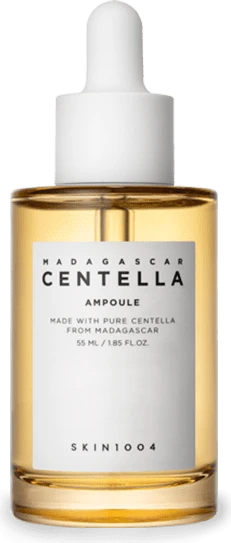
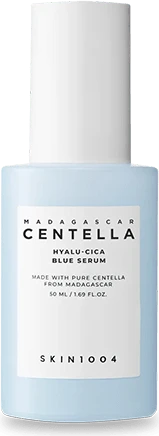
The current SKIN1004 Centella Ampoule and Hyalu-Cica Blue Serum lists both contain water, glycerin and butylene glycol, but the lists differ. An overlap table can show shared ingredients and differences.
It cannot establish equivalent concentrations, texture or results. Use a comparison to identify what to investigate, rather than treating a shared-ingredient count as a quality score or proof that two products are interchangeable.
Sources: SKIN1004 Centella Ampoule · SKIN1004 Hyalu-Cica Blue Serum
Use the analyser to understand names
Paste your exact ingredient panel into the ingredient analyser and open the definitions for names you want to understand. Keep any unmatched or ambiguous entries visible. Then return to the brand's directions and any separately disclosed percentages.
Our analyser explains matched ingredient identities; it does not measure concentration or test the finished product. A useful outcome is knowing what is listed, which amounts are stated and which questions remain unanswered.
Products discussed in this guide
Formula examples to explore, with no ranking or claim of hands-on testing.
Related articles
Simplify your routine
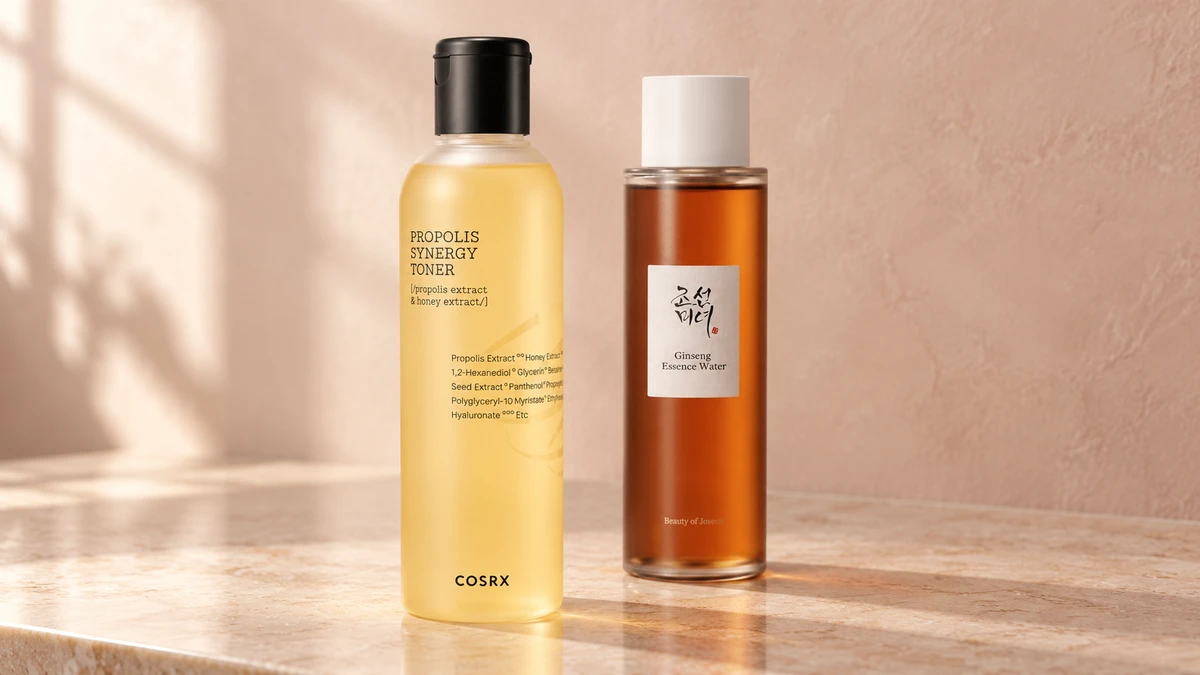
Do you need toner and essence in the same routine?
Two steps, or one too many? Find out what each adds before buying another bottle.
Read guideReviewed 2026-10-08
Compare formulas
SKIN1004 Centella Ampoule vs Hyalu-Cica Blue Serum
Same brand. Different formulas. A closer look at what’s inside these two SKIN1004 products.
Read guideReviewed 2026-10-08
FAQ
Sources
- FDA cosmetic labeling requirementsChecked 2026-10-08
- Anua Heartleaf 77 Soothing TonerChecked 2026-10-08
- AXIS-Y Dark Spot Correcting Glow SerumChecked 2026-10-08
- SKIN1004 Centella AmpouleChecked 2026-10-08
- SKIN1004 Hyalu-Cica Blue SerumChecked 2026-10-08