Ingredients
Make sense of the names on your label. Explore what each ingredient does and where it fits in skincare.
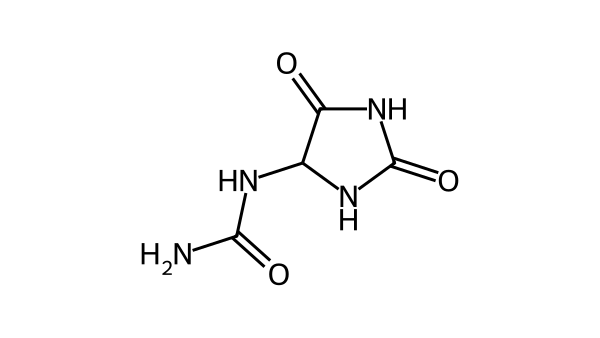
Allantoin
A skin-conditioning ingredient used in skincare and some skin-protectant products. It is usually a supporting part of the formula, rather than the ingredient on the front of the bottle.
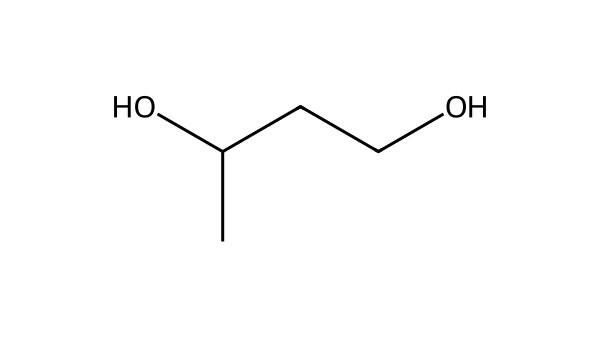
Butylene glycol
A supporting ingredient that dissolves other materials and helps control a formula's flow. A long chemical name can describe an ordinary formulation job rather than a headline skincare active.
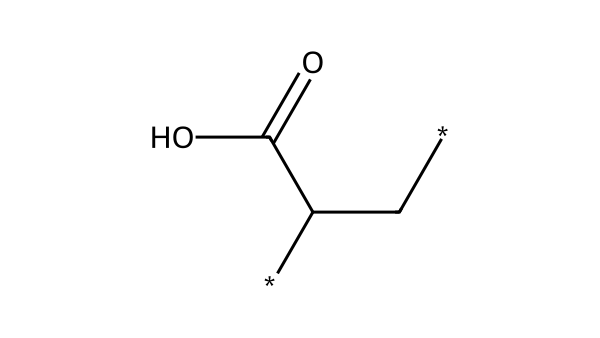
Carbomer
A polymer used to thicken gels and keep a formula consistent. It usually helps the product hold its texture rather than supplying the skin benefit advertised on the bottle.
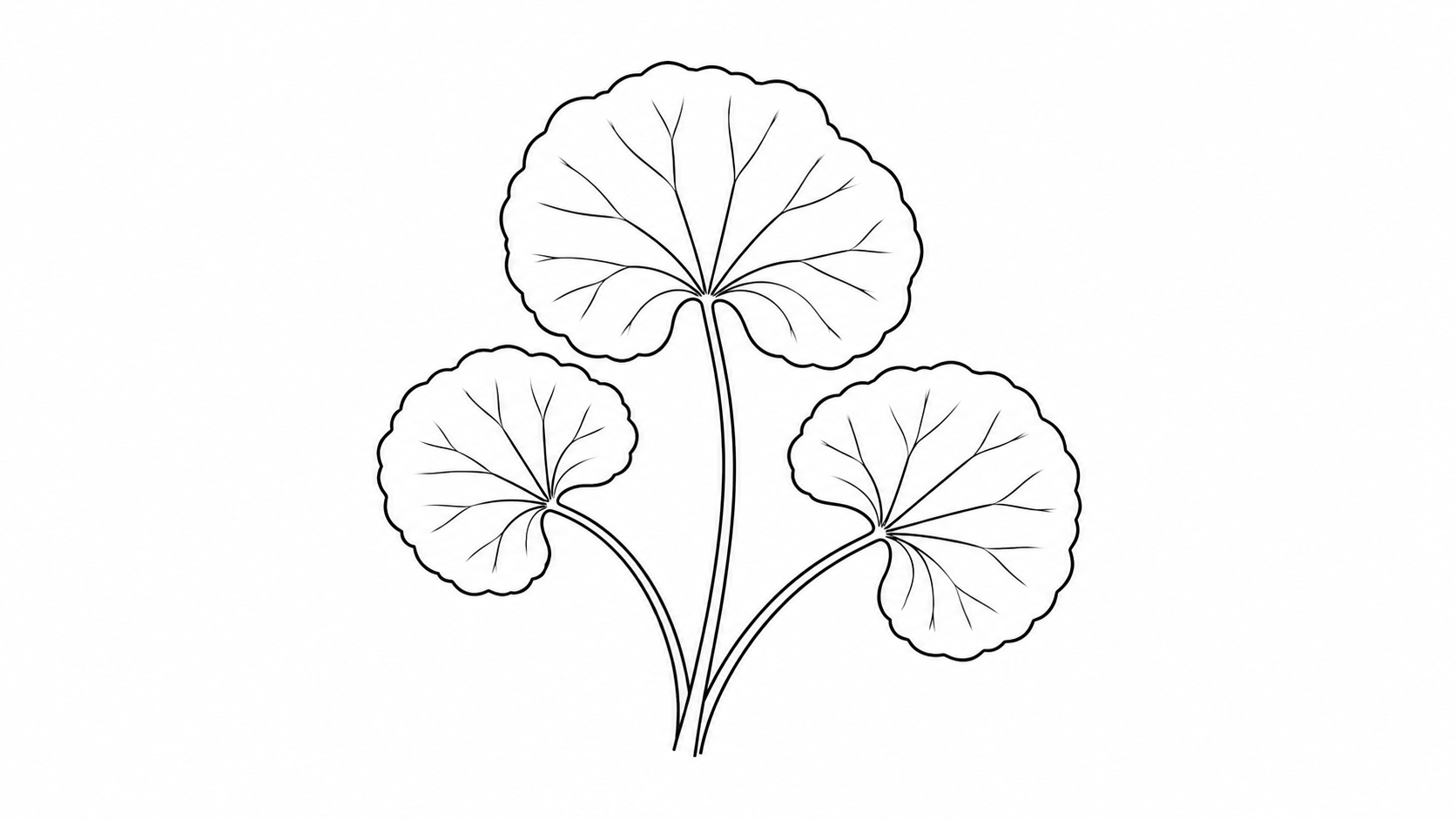
Centella asiatica
A plant extract often called cica. Small topical studies have explored hydration and soothing effects, but different centella extracts and finished formulas are not interchangeable.
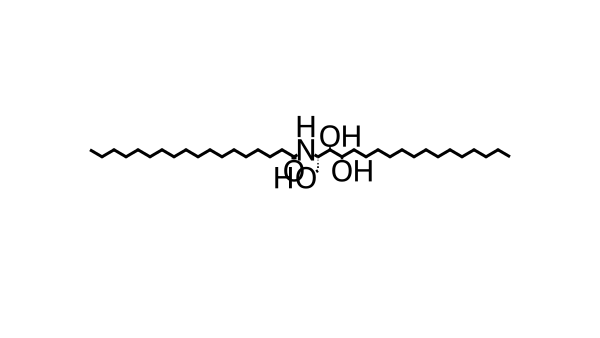
Ceramides
A family of lipids found in the outer skin barrier and used in moisturisers. Ceramide NP is one label name; the blend and delivery system matter as much as the presence of a ceramide.
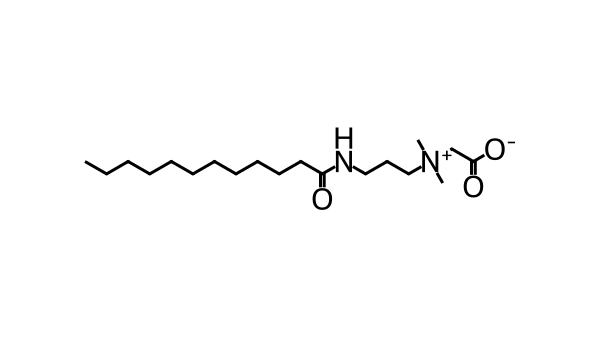
Cocamidopropyl betaine
A surfactant that helps water mix with oil and dirt so they can rinse away. It is different from Betaine, the ingredient seen in some hydrating essences and toners.
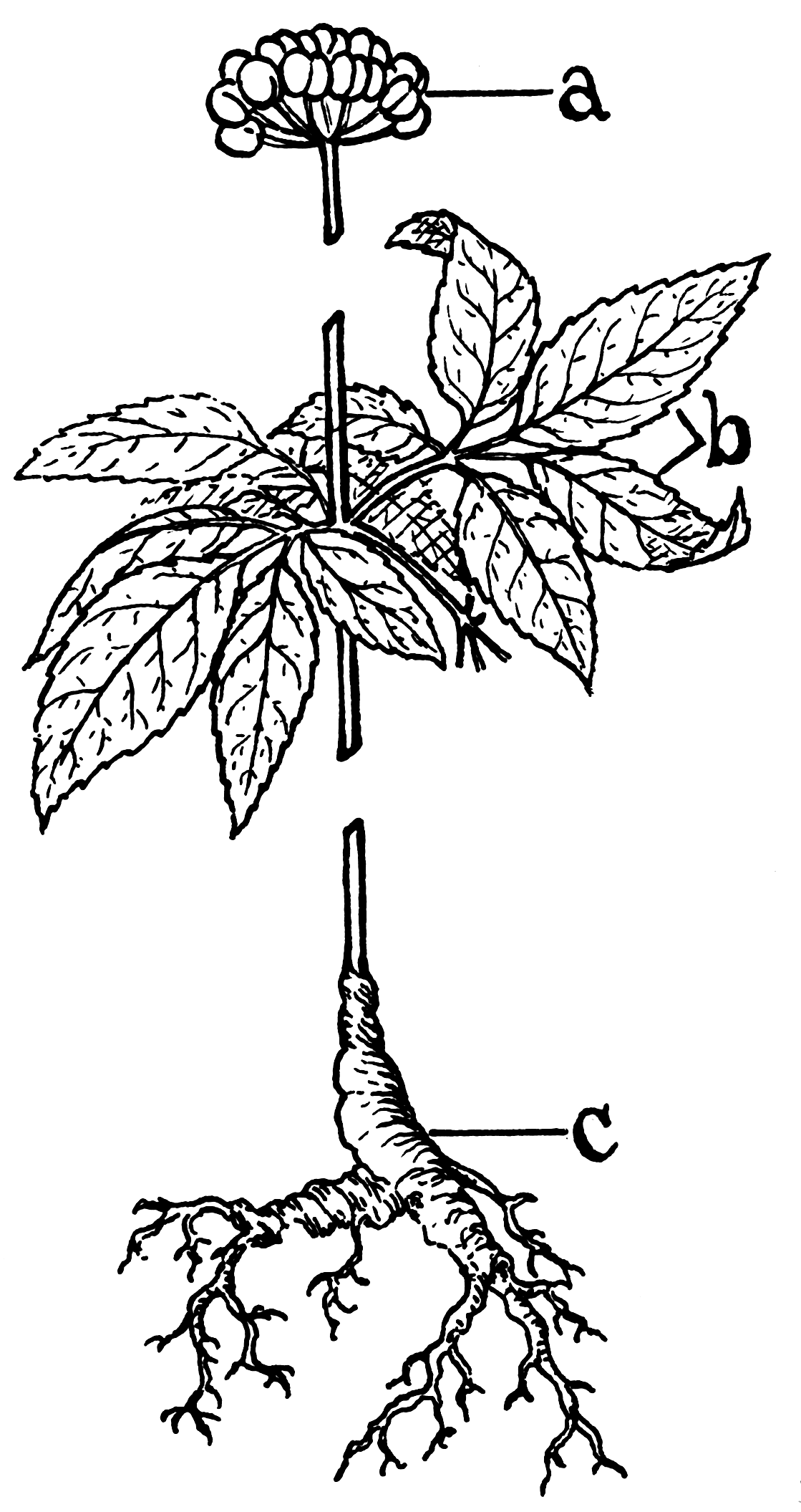
Ginseng
A plant ingredient used in several skincare forms, from root extract to seed oil. Ginseng research is promising, but these different preparations should not be treated as one proven anti-ageing treatment.
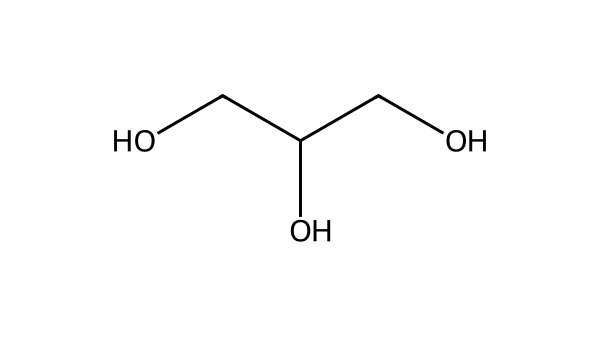
Glycerin
A moisture-attracting ingredient that helps skin feel softer and keeps formulas from drying out. It may be a familiar name rather than a fashionable one, but it has a useful job.
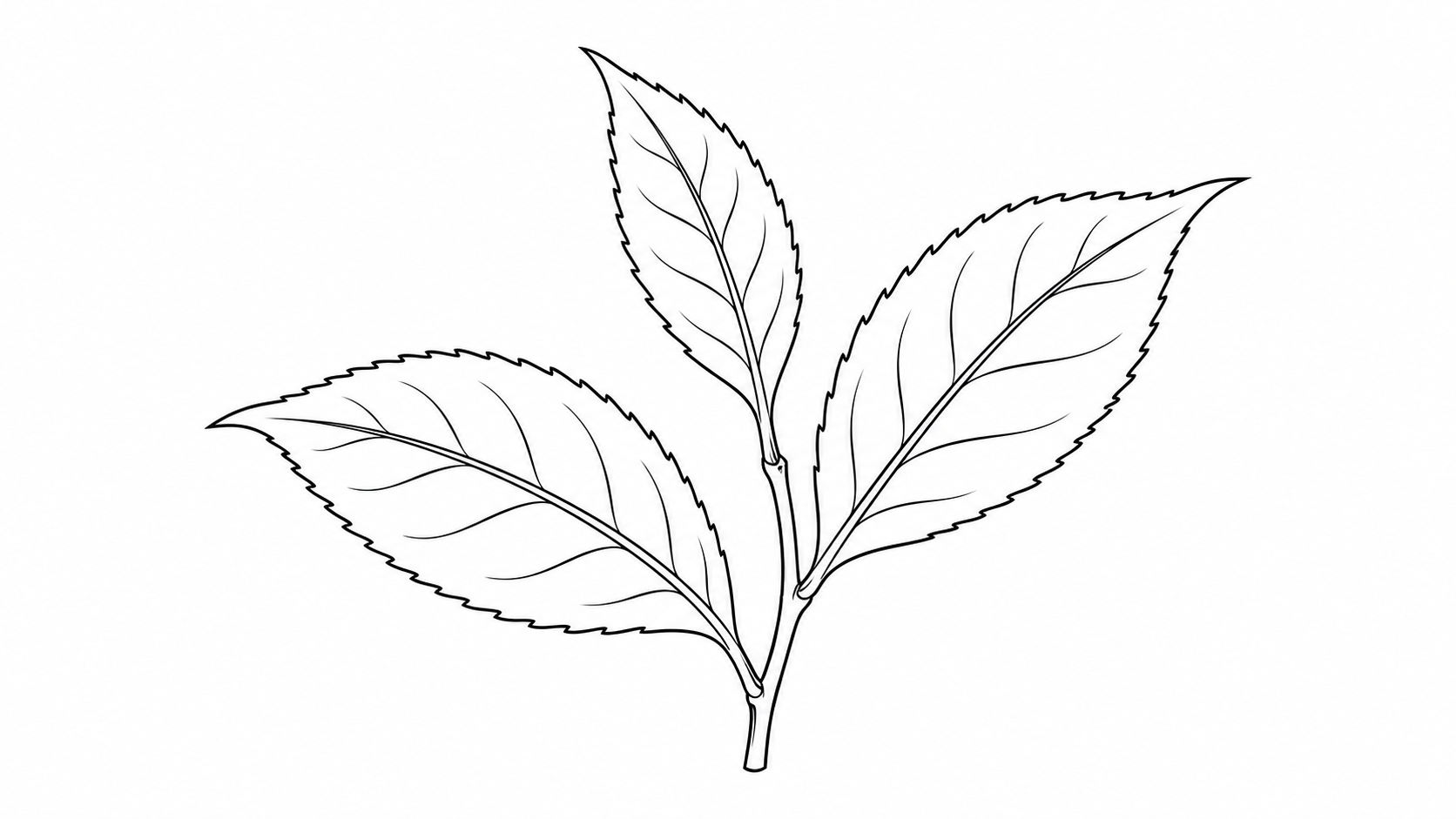
Green tea
A tea-derived skincare ingredient studied for its polyphenols and antioxidant properties. Leaf extract, leaf water and purified EGCG are different preparations, so the exact label matters.
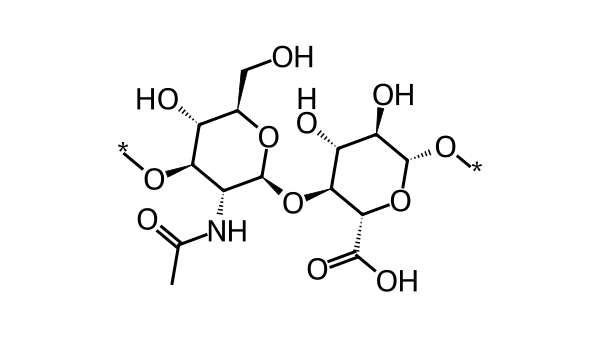
Hyaluronic acid
A water-binding ingredient used in hydrating skincare. Hyaluronic Acid and related forms such as Sodium Hyaluronate turn up in many serums, essences and creams.
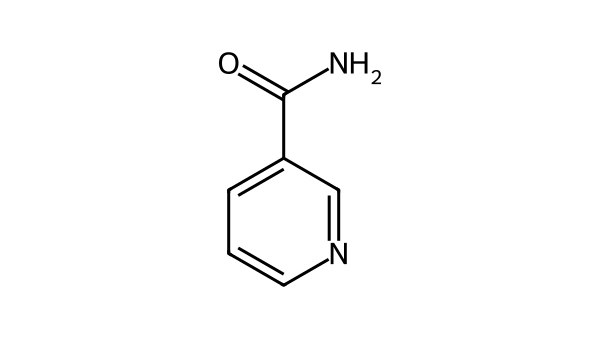
Niacinamide
Niacinamide-containing moisturisers have been studied for the appearance of uneven pigmentation. The results apply to the tested formulas and do not establish how every niacinamide serum will perform.
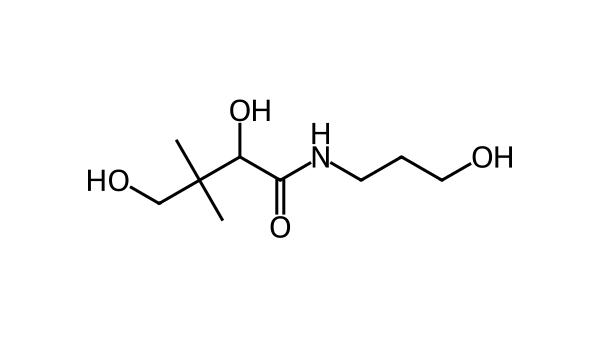
Panthenol
A moisture-supporting ingredient often found in comfort-focused skincare. Panthenol is also known as provitamin B5; dexpanthenol is one form studied in topical preparations.
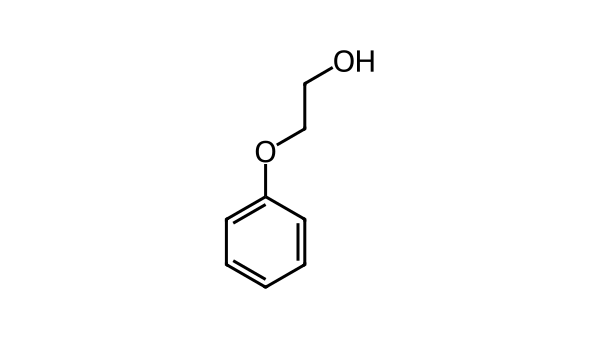
Phenoxyethanol
A preservative that helps keep cosmetics from spoiling through microbial growth. Preservatives have a practical job in water-containing skincare, which is repeatedly exposed to fingers and applicators.
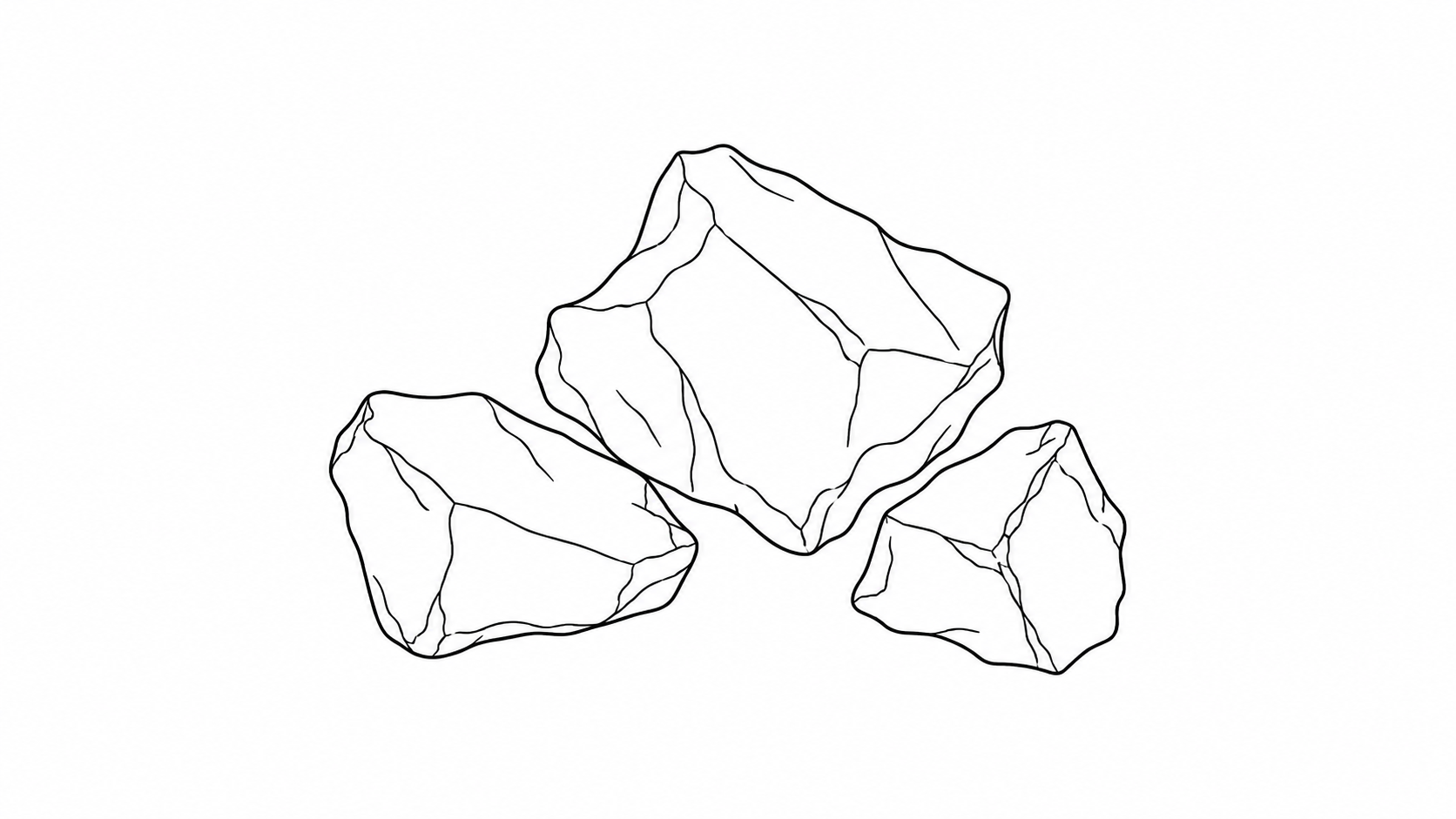
Propolis
A resinous material bees use in their hives, included in some skincare extracts. It is a complex mixture, and natural origin does not rule out contact allergy.

Rice extract
Rice-derived ingredients come in several forms, including extracts and bran water. They are not one standard ingredient with one guaranteed brightening or moisturising effect.

Snail mucin
A filtered snail secretion used in hydrating skincare. It is a mixture, not one chemical molecule, so a single molecular drawing would not represent snail mucin.
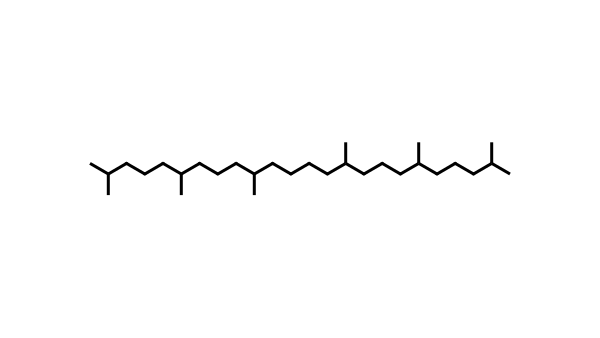
Squalane
A moisturising emollient used to give skincare a smooth feel. Squalane is the saturated, more stable relative of squalene; the two names do not mean quite the same thing.
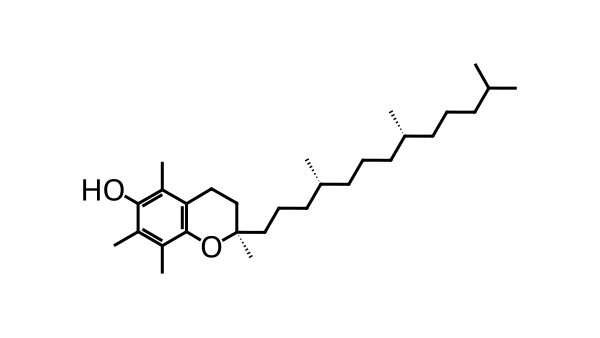
Tocopherol
A form of vitamin E used as an antioxidant and skin-conditioning ingredient. Its presence can serve the formula itself; it does not establish that a product will erase scars or treat pigmentation.
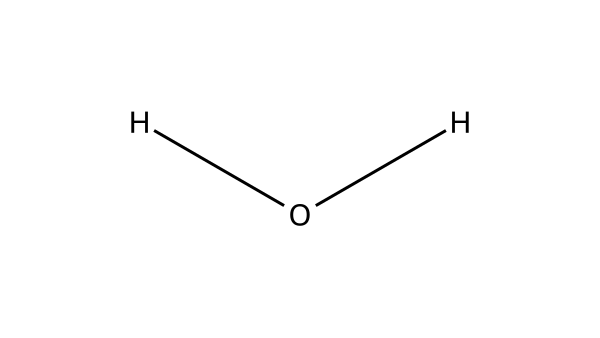
Water
The base of many skincare formulas. Water helps dissolve ingredients and forms part of creams and lotions; it is doing a formulation job even when it is not the headline ingredient.